

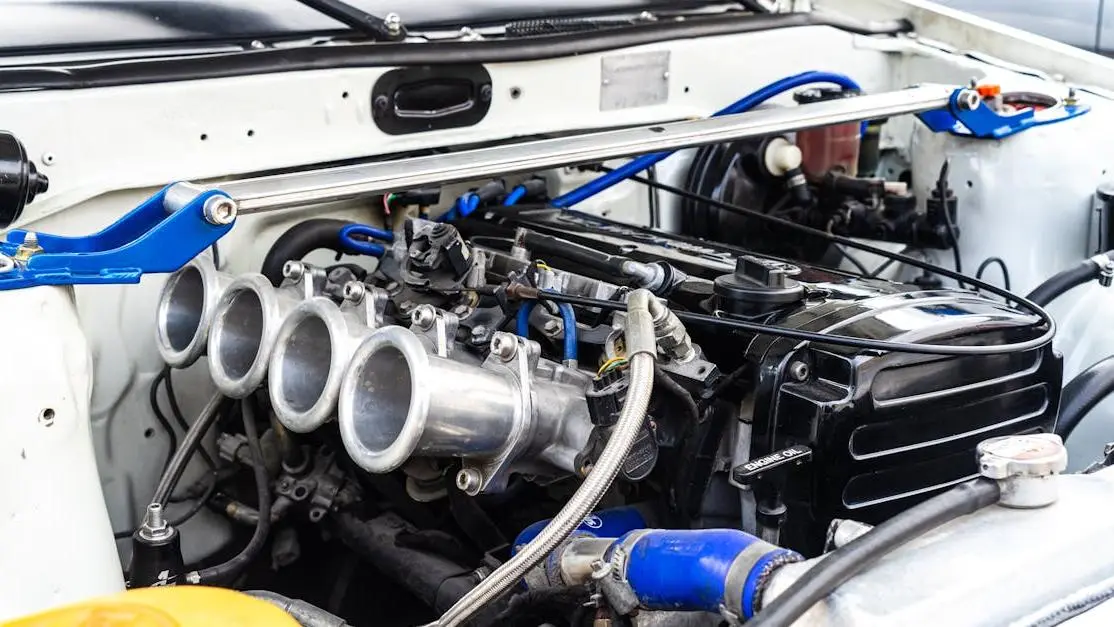
A Brian Tooley Racing Stage 3 cam is a high-performance aftermarket camshaft engineered to maximize the power, responsiveness, and aggressive sound of GM LS and HEMI engines. It delivers strong midrange and upper RPM gains, an unmistakable lopey idle, and is trusted for both naturally aspirated and boosted builds.
Enthusiasts value it for reliable dyno-proven gains, proven valvetrain stability, and its ability to transform the driving experience of purpose-built performance cars.
For those focused on performance-oriented upgrades—especially when paired with premium carbon fiber aero parts—a Brian Tooley Racing Stage 3 camshaft is a top-tier choice. Read on for key specs, real-world results, and what to expect from installation to day-to-day driving.
Why Choose a Brian Tooley Racing Stage 3 Camshaft?
Selecting a Brian Tooley Racing Stage 3 camshaft signals intent. You want to push beyond stock, demand stronger sound, and unlock real power. So why make this move?
Core Reasons Enthusiasts Trust This Cam
- Engineered for Aggressive Gains
The Stage 3 profile delivers serious mid-range punch and a lopey, aggressive idle. You’ll feel a clear jump in output on NA, boosted, truck, or HEMI builds. - Tested for Stability
BTR doesn’t just grind profiles—they validate on Spintron and dyno. That means predictable, reliable performance, even at high RPM, when paired with the full valvetrain system. - Broad Platform Support
Choose a variant dialed for your setup. NA, turbo, VVT, and truck options cover GM LS and HEMI engines, always targeting enthusiast priorities like idle quality, midrange torque, and peak numbers. - System-Minded Power
This cam isn’t a bolt-on for stock engines. It’s the centerpiece of a power package. BTR calls out the right springs, pushrods, and hardware so you get the most from every rotation. - Street-and-Strip Sweet Spot
The Stage 3 range lives between mild street comfort and all-out race spec. Expect crisp throttle response and maximum head-turning sound, without the all-day compromises of extreme race profiles.
When you’re ready to blend street use with track potential—without guessing at reliability—the BTR Stage 3 cam sits in the right lane.
Builders who want strong gains, daily realism, and proven system support keep coming back to Stage 3 profiles.
ASM Design specializes in performance upgrades of a different kind: forged wheels, premium exhausts, and advanced aero kits. We focus on system harmony. Every ASM product complements performance builds and shows we understand how top-tier upgrades increase impact and street presence, just like this BTR cam.
What Are the Key Specs of the Brian Tooley Racing Stage 3 Cam?
Understanding specs isn’t just for engine builders. Knowing these numbers lets you set expectations and plan supporting mods. Let’s break down the key profiles across major engine families.
BTR Stage 3 Spec Sheet—By Platform
- HEMI VVT Stage 3:
220/23X duration, .587/.586 lift, 112 LSA, intake lift at TDC 0.05256. Chosen for trucks and modern Mopars with VVT. - LS Stage 3 Turbo V2:
224/24X duration, .618″/.618″ lift, 114 LSA, intake lift at TDC 0.04721. Precision-tuned for high-boost, high-RPM LS combos. - NA Stage 3 (LS1/LS2/LS6):
227/24X duration, .636″/.636″ lift, 111.5 LSA, 3-bolt pattern. Classic for street-focused yet track-capable LS applications. - Truck Stage 3:
218/224 duration, .553/.553 lift, 110 LSA. Balances torque needs in heavier vehicles while adding sound/midrange power.
How These Specs Shape Drive and Power
Stage 3 profiles push lift and duration beyond factory limits. You’ll get bigger, longer valve opening—more air, more fuel, more explosion. Lobe Separation Angle (LSA) in the 110-112 range means a punchy idle and a fat mid-range.
Lift around .636″ on the NA LS cam and .618″ on the turbo grind means you need upgraded springs (often BTR’s .660” Platinum kit), or you risk valve float near redline.
For boosted or VVT engines, LSA and intake timing create a tractable, predictable powerband. BTR profiles for turbo builds tighten overlap, so you keep boost and response in harmony.
Always confirm the exact SKU for your heads and block. Factory-piston combos usually clear these cams, but double-check if you’ve milled heads.
How Does the BTR Stage 3 Camshaft Improve Performance?
You’re here for results. Not hype. Let’s talk numbers and feel.
Documented Power Gains and Driving Difference
- 18%+ More Peak Horsepower
On a stock LS crate, Stage 3 NA cams have produced jumps from 496 to 570 hp. Real dyno, real torque (up over 500 lb-ft). - Mid-Range Muscle
The cam broadens the powerband. Expect harder pull through the rev range, not just a bigger number up top.
Truck and street builds get more average torque, meaning stronger acceleration you can feel. - Sound That Means Business
An aggressive idle isn’t just for show. It sets the tone. That signature lope lets everyone know what your engine is capable of. - Turbo Builds See Major Gains
With correct supporting mods, LS turbo configurations using Stage 3 V2 have hit over 1,000whp. The cam enables, not limits.
Properly matched supporting hardware is the difference between real power and wasted potential. Springs, pushrods, converters, and (crucially) a professional tune complete the package.
Dyno numbers, aggressive sound, and a fatter powerband—they all come together when you choose specs that match your goals and build with purpose.
What Are the Main Types and Applications of the BTR Stage 3 Camshaft?
This cam is about choice. It covers every enthusiast’s top platforms—so let’s line up what fits where.
Stage 3 Cam Types
- LS NA Stage 3 suits street/track cars after maximum gains without race-only sacrifice
- Turbo V2 Stage 3 targets high-boost LS setups where you want stability and consistent torque
- HEMI VVT Stage 3 adapts to modern Rams, Chargers, and Challengers with variable valve timing
- Truck Stage 3 brings lope, character, and strong torque to GM pickups and SUVs
Application and Fitment Tips
- Covers Gen III/IV LS engines from 1997–2013, including common swaps and crate engines
- Turbo and VVT variants require special hardware: phaser tools, conversion kits, and sometimes delete modules
- Matching valve springs, pushrods, and timing components are key for reliability
Every application comes with platform-specific install details. DOD/AFM blocks need conversion kits. 1-bolt cam engines need a 3-bolt conversion. Truck cams keep driveability for work and daily use, NA grinds lean track-ready.
If you’re building a system, make sure your cam, valvetrain, and airflow upgrades align.
What Are the Installation Requirements and Recommendations?
Planning to run a Stage 3 cam means committing to the right supporting hardware. Don’t cut corners here.
Essential Steps and Parts for a Reliable Install
- Valve Springs and Retainers
BTR .660” Platinum dual springs (steel or titanium) handle the extra lift and prevent float. Titanium saves weight, boosting high-RPM durability. - Hardened Pushrods
5/16″ chromoly pushrods are standard. Don’t use cheap replacements; the stock leftover won’t last at these loads. - Convert or Upgrade for DOD/AFM and VVT
DOD/AFM engines must swap to conventional lifters. VVT blocks need phaser lockouts, delete kits, or special timing tools. - Check Piston-to-Valve Clearance
No flycutting is needed with OEM piston/chamber, but always verify if you’ve milled heads. It only takes one skipped check to ruin a build. - Stall Converter and Tuning (Automatics)
Aftermarket converters let your new cam hit harder off the line and restore low-speed civility. Tune is absolutely required—no exceptions.
Experienced enthusiasts can handle a cam swap, but complexity rises fast with VVT, DOD/AFM deletes, or aggressive builds. Professional installation isn’t just a suggestion for most street/strip users; it’s risk prevention.
The right install, converter, and tune turn Stage 3 cam upgrades from a rough, unpredictable experience to a proven formula for results and reliability.
What Should You Expect in Terms of Drivability and Sound?
Dropping in a Stage 3 cam signals intent: you want a new feel and sound, and you’re not afraid of a little attitude at idle. But how does it actually drive? Here’s what you’ll notice, and what you won’t.
Real-World Drivability
You get an obvious, assertive idle. The car will not blend in at a stop sign. That’s part of the package, a badge for enthusiasts who want their engine to make a statement.
Daily drivability depends on supporting mods:
- With the right stall converter: city driving feels smooth, and launch control is strong.
- With pro tuning: low-speed surging and rough transitions get tamed, letting you enjoy power without the drama.
Fuel economy will take a hit. But for most, the trade of fuel for performance and sound is worth it. If you want original, quiet idle and economy, a milder cam will suit your routine better.
Stage 3 cams aren’t for the comfort-first crowd. They’re for those who crave a race-inspired experience, every time you turn the key.
How Does a BTR Stage 3 Camshaft Compare to Other Aftermarket Options?
We know how many choices are out there. So what sets BTR Stage 3 apart for those who demand real gains and lasting results?
The Edge in Engineering, Testing, and Results
BTR invests in Spintron and engine-dyno test validation. This means you get a cam that’s not just powerful but also stable at speed, with every grind targeting measurable, repeatable gains.
Other brands sometimes chase impressive duration or lift specs at the cost of durability. BTR pairs complete kits (matched springs, pushrods, hardware) with clear install notes—reducing surprises and making successful installs more likely.
BTR’s approach aligns with how we create ASM Design’s forged wheels or gloss carbon aero kits: start with the right design, test hard, then guarantee fitment and performance across the entire system. A great cam is never just a standalone part—it’s part of a high-performance chain.
If you want track-grade results without race-only compromises, Stage 3 fits. For all-out drag, you may need to step higher, but most street/strip drivers find this profile is the sweet spot.
What Are the Key Considerations for Warranty, Reliability, and Support?
Upgrading the heart of your engine is a serious investment. It’s natural to ask: how does warranty and long-term peace of mind fit in?
Reliability Starts with the Whole System
Warranty terms depend on the vendor, so always confirm before you buy. Aftermarket cams may affect factory powertrain coverage. Work with a reputable installer, log your parts, and save receipts to help manage risk.
Following BTR’s guidance matters:
- Use their matched spring kits and pushrods.
- Complete all break-in and lubrication steps.
- Stick to recommended install practices, especially with VVT or AFM deletes.
If you ever have a fitment or install issue, check vendor tech support channels. Online communities and builder forums offer troubleshooting if something gets wonky.
Here’s how we approach it: at ASM Design, we back every product with clear fitment guarantees and an extensive warranty. When system fitment and expert advice drive your buying decision, you cut risk before it starts.
Reliable power comes from expert planning, matching all your parts, and never cutting corners on install or support.
What Do Customers and Real Enthusiasts Say About the BTR Stage 3 Cam?
It’s one thing for a brand to talk up a part; it’s another to hear it from drivers who run it every day. Here’s what stands out from feedback, dyno results, and builder discussions.
Community Feedback—Key Takeaways
- Significant muscle: Owners report true double-digit peak horsepower and torque gains, often 70+ hp over stock with the NA LS profile.
- Aggressive character: That lope isn’t subtle. It draws attention and feels rewarding.
- Smart upgrades pay off: Owners who match the kit with springs, pushrods, and tuning get smooth, reliable gains.
- Install isn’t casual: DIY-ers who skip paired hardware or converter upgrades often end up chasing problems.
- Popular for a reason: It’s a staple in GM and Mopar communities because it delivers what it promises, and doesn’t overhype.
Most owners say it transforms the car, making every drive more fun and engaging—if you follow the proper build and tune path.
Who Should Choose the Brian Tooley Racing Stage 3 Cam—and When?
This cam is right for those who want big performance changes, a track-worthy idle, and don’t mind investing in the supporting mods.
Stage 3 Cam—Best Fit Buyer
- Performance-focused drivers upgrading heads, valvetrain, and tuning for real gains.
- Enthusiasts who plan for new torque converters, especially in automatics.
- Builders who like their car to make a statement at every stop.
- Not ideal for those who need stock-like quiet or do lots of slow-speed city driving.
Stage 3 is not a casual change. It’s best added as part of a full build plan with necessary hardware, not as a standalone bolt-on expecting OEM calm.
We see our own ASM Design customers take this measured, thoughtful approach—pairing function-driven carbon fiber aero with power mods, for peak street presence and results.
Conclusion: How to Take the Next Step Toward Purpose-Driven Performance
The Brian Tooley Racing Stage 3 cam is a statement of intent: you want proven power, a specific sound, and a build that shows discipline. When you integrate the right airflow, exhaust, and supporting mods, results speak louder than dyno numbers alone.
Our perspective at ASM Design: always think in systems. Impressive cams like this only shine when matched to equally precise upgrades, from suspension to carbon fiber bodywork.
If you’re ready, lock in your build plan, check fitment, and team up with the right installer or tuner. There’s never been a better time to unify high-performance mods with expert-driven aero and aesthetics. Bring your build vision to life—one intentional upgrade at a time.
