

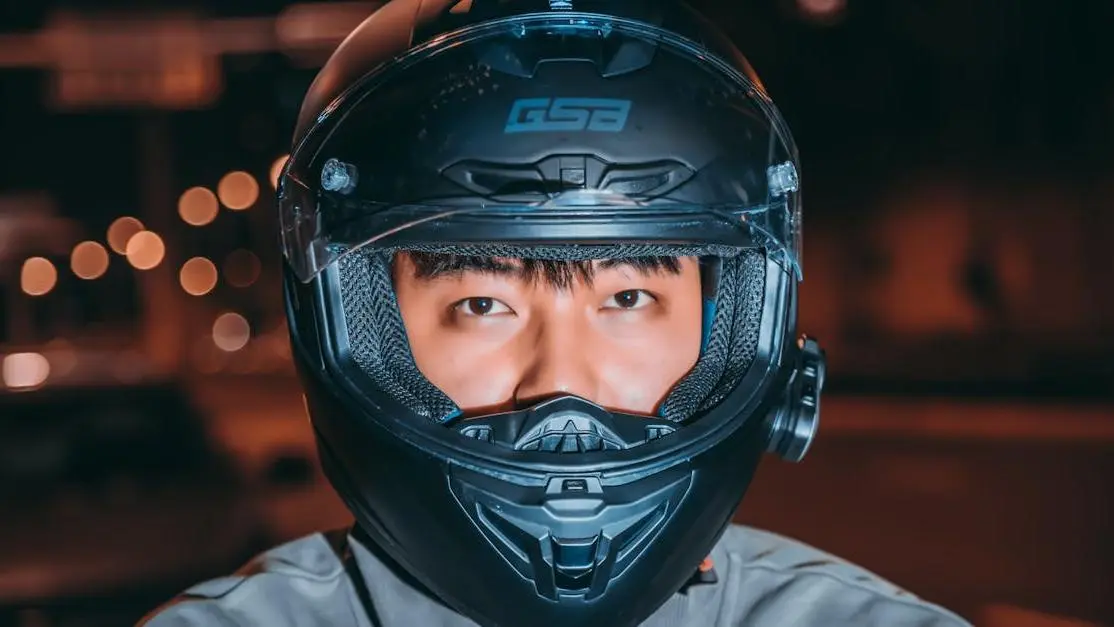
Precision matters, whether it’s in your car’s aerodynamics or the way you choose auto racing helmets.
Many helmets look the part but only a few meet the standards demanded by real enthusiasts.
We break down the 16 features that determine performance, safety, and comfort, so you can find gear engineered to match the quality and intent of your carbon fiber components. No fluff, just what matters for obsessive drivers.
1. Safety Certifications and Homologations That Actually Matter
You know real performance starts with verified safety. Racing helmet approval isn’t a box to check. It’s your first and biggest filter. Choosing wrong means not just denial at tech, but putting real safety on the line.
Key Approvals and Their Purpose
- FIA 8860 and 8859: The standard for global pro-level motorsport. Demand maximum fire resistance, energy management, and structural integrity. Clubs and most international events require these.
- Snell SA2020: The go-to for most US club racers, time attack, and HPDE. Focuses on multi-impact resistance and a wide thermal band. Many regional events treat this as the baseline.
- FIA CMR: Special lightweight build for youth helmets. Its lower mass matters because kids’ necks tolerate even less G load.
- Clubs/Series: Always check your series’ tech rules, not just the helmet label. Many organizations treat an expired homologation as zero approval.
Get rejected at tech or have a helmet beyond its expiry? You’re sidelined, no exceptions.
How to Vet Your Helmet
- Verify the hologram and internal tag against the manufacturer certificate.
- Know the expiry timeline—FIA gear made after 2013 lasts 5 years, but not all series honor grace periods.
- Use a helmet carrying both FIA and Snell to stay legal at more tracks, especially if you race both at home and internationally.
- Snap a photo of your tags during purchase and keep the certs for peace of mind.
2. Outer Shell Construction and Materials
The shell is a helmet’s backbone and its first defense. Weight, stiffness, and impact dispersion all start here. This isn’t style; it’s survival and stamina.
Race-Proven Materials
- Carbon fiber composites: Deliver max strength-to-weight. Pre-preg, autoclave-cured builds provide the best mix of rigidity and ultra-low mass. Used in top-tier pro helmets.
- Carbon-Kevlar/fiberglass blends: Excellent elasticity and cost control. Protect just as well for club events, with a minor weight penalty.
- Polycarbonate: Found in entry-level models. Heavier yet tough at low speeds. Not for pro use.
A shell’s weight translates directly to neck comfort. Shave 100 grams and you’ll feel fresher after long stints or high-downforce action.
Here’s where our carbon expertise matters: ASM Design’s pre-preg carbon parts use the same principles as the best racing helmets. We pursue rigidity and low mass for consistent aero performance. Less weight, more control—the same rules apply to your helmet as your body kit.
3. Impact Absorption Liner Engineering
Shells spread force. Liners absorb it. Every helmet uses tuned EPS foam because it crushes in a controlled way, dissipating energy that could otherwise rock your brain.
What Sets the Best Liners Apart
- Multi-density zones: Layers tuned to absorb everything from a light bump to a heavy impact. High-density above the crown for big hits, lower around the sides for less severe impacts.
- Seamless shell-liner integration: Supports rotational slip systems and ventilation without “hard spots” that hurt comfort and safety.
- Regular replacement: Replace after any major hit or if you spot cracks, compression, or separation. EPS degrades with age, sweat, and heat.
Stash your helmet away from sunlight and solvents to keep its energy absorption at peak effectiveness.
4. Rotational Impact Management
Linear G testing alone misses the real risk: rotational forces that twist the brain. Modern helmet safety is evolving. You need more than just a hard shell.
Current Systems in Action
- Slip-plane liners (like MIPS): Create a low-friction barrier between shell and liner, letting the helmet move a few millimeters during a sideways impact. This reduces rotational acceleration and significantly cuts concussion risk.
- Integrated EPS support: Not just slapped in—proper slip planes are built into the helmet from day one. That means no weird pressure points or bulk that ruins fit.
Look for brands with real oblique-impact test data, not just marketing talk. The best systems maintain comfort and proven effectiveness with head-and-neck devices.
5. Fire Resistance and Thermal Lining
Fire risk is real at any level. Genuine Nomex or similar aramid interiors don’t just resist flames; they help manage sweat and heat too.
Layers That Save Lives
- Nomex liners: Required in FIA/Snell helmets for a reason. They hold up in a cockpit fire and don’t shrink or melt.
- Dual-layer construction: Fire protection up top, moisture management next to skin. This is comfort and compliance combined.
- Matched system: Use an FIA-rated balaclava and suit for a total shield—tech inspectors check for this.
Keep your liner clean. Wash after every few events to stop sweat, odors, and liner degradation.
6. Ventilation and Airflow Management
Overheating wrecks driver focus. Helmets with smart venting solve this, keeping you sharp and your shield clear.
Vent Design That Delivers
- External shell vents with aligned EPS channels: Push air over the scalp and out the back for max cooling.
- Adjustable chin and brow intakes: Tune your airflow to the event. On hot days, open everything. Dusty or rainy? Block a vent or add a filter.
- Carefully shaped intakes: Control wind noise. The best vents reduce whistling and don’t create pressure points around your head.
Track-long focus depends as much on airflow as it does on weight. Get both right for a real performance edge.
7. Mass, Weight Distribution, and Neck Load
How much helmet mass matters? Take a few high-speed corners late in a race. Your neck knows. Every gram above your shoulders increases fatigue and blurs vision at speed.
Why Lighter is Better
- Light helmets (sub-1.4 kg) leave you less drained after endurance runs or high-G stints.
- Good weight balance keeps the helmet steady. Look for brands with published weight and center-of-gravity specs.
- Less weight = less stress on your HANS device. Adjust your fit as a system—helmet, HANS, and harness should feel unified.
If you share a car for long races, prioritize light, balanced helmets. Your co-drivers will thank you too.
8. Aerodynamic Stability and Shell Shaping
High speed exposes weak aerodynamics. A race helmet must flow with the car, not fight it. Turbulence leads to lift, buffeting, and neck strain.
Aero Features To Seek Out
- Molded-in spoilers and trailing plates: Reduce helmet yaw and stabilize vision at triple-digit speeds.
- Smooth shell transitions: Less turbulence, less wind noise. The best race helmets go through wind tunnel testing.
- Cockpit synergy: Your helmet shape and the car’s side window or deflectors should work together for clean airflow.
Just like the carbon aero kits we design at ASM Design, airflow management is about more than downforce—it’s about harmony and predictability on track.
9. Visibility, Optics, and Field of View
If you can’t see, you can’t react. A racing helmet should give you more than protection. It should deliver clarity, a wide field, and zero distortion from visor to apex.
Field-Ready Features
- Wide apertures: Look for helmets with great lateral and vertical fields for maximum awareness of curbs, apexes, and mirrors.
- Optical-grade visors: Distortion-free and anti-fog ready. High-end visors allow multiple tear-off stacks for fast cleaning in mixed conditions.
- Tear-offs: Always stage and label your stacks pre-session. Practice one-handed pulls for uninterrupted vision.
Clarity, field, and a crisp visor can differentiate a safe, confident lap from a risky guess. Your reactions are always limited by your vision.
10. Anti-Fog Systems and Moisture Control
You can nail every lap on a dry day, but the real test comes when temperature, humidity, or breath fogs your shield and blurs apexes in seconds.
Well-designed anti-fog systems aren’t a luxury—they’re your frontline defense for clear, confident vision in every weather scenario.
What Works for Drivers
- Pinlock inserts: These dual-pane systems keep visors clear in all but the nastiest conditions. Pinlock 120s are a track favorite for a reason.
- Quality coatings: Hydrophilic and hydrophobic layers each serve a purpose. Just remember, both wear out and need replacement, so stock a spare for serious race weekends.
- Smart venting and deflectors: Chin bar vents and breath guards direct humidity away from the visor, so your anti-fog tech works longer and more reliably.
- Maintenance: Treat every insert and shield coating with care. Clean with approved products—scratches kill performance and force mid-session swaps.
Never start a session doubting your vision. Prep your anti-fog and ventilation just like you prep your car’s brakes and tires.
11. Retention Systems and Strap Hardware
No helmet stays on your head by luck. Fast, secure, and fireproof strap systems keep you protected, even when on-track chaos hits.
Secure Systems You Can Trust
- Double D-rings: Still the gold standard for racing. They don’t slip, wear slowly, and are approved by serious sanctioning bodies everywhere.
- Fire-resistant webbing: Nomex or Kevlar straps pass both flame testing and high-load yank tests.
- Easy adjustment: Look for gloves-on pull tabs and strap angles that don’t catch on harnesses or HANS tethers.
- Routine checks: Frayed webbing, rusty rings, or loose anchors? Swap them before your next event.
12. Fit System, Liners, and Cheek Pad Customization
The right fit means less fatigue, more focus, and better protection. Forget “close enough.” You want a helmet tailored to your head.
Steps to Dial In the Fit
- Measure, then test: Start with head size. Try several shells. Wear for 10+ minutes to detect pressure points or roll-off risks.
- Modular cheek pads: Thicker or thinner options let you personalize side support for any session and any car, keeping you stable under heavy lateral loads.
- Washable, antimicrobial liners: Regular cleaning means a fresh helmet every session and longer liner lifespan.
- Multiple shell sizes: Best-in-class helmets offer several shell sizes per model for a fit that’s compact, never bulky.
A personalized fit outperforms any high-dollar feature if the helmet is stable, comfortable, and secure lap after lap.
13. Emergency Release and Medical Removal Systems
Accidents happen fast. So must helmet removal by trained teams. Modern safety relies on gear built for quick, gentle extraction that protects your neck and spine.
Designed for Safety Crews
- Quick-release cheek pads: Look for bright, labeled tabs accessible even with gloves. Pads slide out, letting the helmet come off with minimal movement.
- Inflatable bladder systems: Some pro helmets include these, giving first responders extra options for removal.
- Team familiarity: Always brief your trackside safety crew or pit team on your helmet’s system before a race weekend.
14. Integrated Communication and Hydration Readiness
When focus matters and every message counts, your helmet must integrate comms and hydration seamlessly.
What to Expect from Modern Helmets
- Built-in wiring channels and speaker pockets: No awkward DIY fits. Your radio stays secure, and your ears stay comfortable.
- Sturdy boom mic mounts: Block wind noise and keep team chatter clear, lap after lap.
- Hydration tube passthroughs: Crucial for endurance drivers. Keep drinking without stopping or fiddling with gear mid-stint.
Communication and hydration aren’t extras—they’re tools that keep you cool, clear-headed, and locked in from start to finish.
15. Shield Mechanisms and Quick-Change Hardware
Light changes fast. Rain, sun, or track dust can ruin visibility in moments. Practice quick shield swaps as part of your track prep.
What Makes a Good Shield System
- Tool-free quick-change: Efficient mechanisms snap shields on and off without headaches or lost screws.
- Positive detents: Good shields stay locked at speed, preventing leaks and annoying whistling.
- Spare shields: Label and pre-stack them in your pit, ready for any condition in seconds.
16. Head and Neck Restraint Compatibility and Anchor Hardware
Pairing your helmet with the right HANS or SFI device isn’t optional. The anchor points, harness, and helmet must be designed as a true system.
Setting Up for Track and Safety Tech
- Built-in anchor threads: Ready for HANS post installation out of the box. Always confirm correct thread pitch and torque settings.
- Fit, then adjust: Don the helmet first, then the HANS, then your belts. This order ensures everything lines up, reducing shoulder slip and neck torque.
- Ongoing checks: Tighten anchor hardware before events. Don’t leave safety up to chance.
How to Choose an Auto Racing Helmet With an Engineer’s Eye
This isn’t about luck or marketing. Approach helmet selection as you would any race prep—systematic, data-driven, and discipline-first.
Action Plan for Enthusiasts Who Want the Best:
- Read your series rulebook. Lock down certifications and check expiry windows.
- Try on several models. Wear them with your own comms, balaclava, and suit to simulate race conditions.
- Choose lighter, balanced helmets, especially for long stints or downforce-heavy cars.
- Check venting, aerodynamics, and field of view—not just looks or weight.
- Always verify HANS/anchor compatibility and emergency systems before buying.
- Inspect tags, holograms, and carry proof. Take photos, keep receipts, and ask manufacturers for spec sheets.
- Practice shield swaps and tear-off pulls before race day. Prepare for every scenario.
- Keep your helmet fresh. Wash liners, replace anti-fog, and inspect after any incident.
Premium helmets are one part of your total safety, comfort, and clarity strategy.
At ASM Design, we get it because we think the same way about our carbon components. From shell composition to ventilation to optical clarity, quality never happens by accident.
The helmet is your cockpit. Make decisions that let you focus on driving, not distractions. Choose smart, race smarter, and own your safety with intention.
