

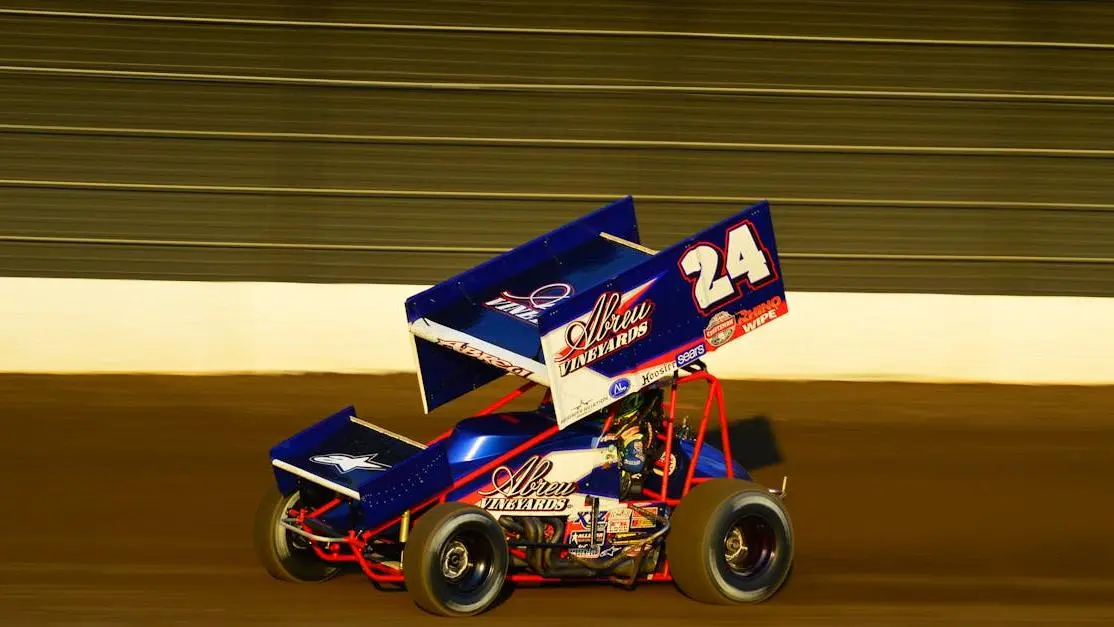
A micro sprint is a compact, open-wheel race car powered by a high-revving 600cc motorcycle engine, engineered for dirt or clay oval tracks.
With their feather-light chassis, chain-drive setup, and balanced aerodynamics (winged or non-winged), micro sprints deliver striking power-to-weight and sharp handling that mirror larger sprint cars—without the intimidating scale or cost.
Designed for racing enthusiasts who value performance, agility, and raw motorsport style, micro sprints showcase the precision fitment and advanced material choices that inspire modern track and street upgrades.
If you want a blend of racing authenticity and accessible high-performance, the micro sprint stands out as the purest expression of speed and control.
Understand What Defines a Micro Sprint
If you want pure, adrenaline-level performance, micro sprints bring it with every lap. Pinpoint agility, light weight, and serious horsepower. Not every small open-wheel car qualifies. Clarity matters.
Concrete traits that define a true micro sprint:
- 600cc four-stroke motorcycle engine. Streetbike power in a race-tuned chassis. Common models include the Suzuki GSX-R 600, Yamaha YZF-R6, or Honda CBR600RR.
- Lightweight, chromoly chassis. Structure and strength but keeping curb weight with driver at or just above 750 lbs.
- Chain drive, rear- or mid-mounted engine. Mass centered for fast transitions, precise weight transfer, and fast laps on a short dirt oval.
- Open wheels, minimum bodywork, compact footprint. Visual and physical connection to full-scale sprint racing, distilled for smaller tracks.
Rules keep competition close. Most sanctioning bodies set minimum weights (often 750 lbs), OEM-based engine builds, and outlaw or stock categories. Restricted classes with 125cc or 270cc engines get younger drivers involved and give families a real step-up ladder.
Micro sprints offer a raw, direct connection between driver and machine. Nothing gets between you and the racing line.
Winged vs. Non-Winged: Shaping the Race
Aerodynamics change the speed, grip, and challenge.
- Winged classes use a 10 square foot top wing and nose wing, capped by strict sideboard sizes. These cars ride the cushion higher, stick in corners, and handle predictably at high speeds, making them ideal to hone setups and push lap-time limits.
- Non-winged classes strip away all wings. Pure mechanical grip. Lap after lap, throttle control matters most. These races reward drivers who master every dirt track change.
Micro Sprint vs. Mini Sprint vs. Lightning Sprint
Keep the facts straight. Micro sprints stick to 600cc chain-drive engines and stay compact. Mini and lightning sprints run 750cc–1200cc engines with bigger chassis, sometimes with driveshafts. Focusing here on micro sprints means faster direction changes, lighter costs, and a closer link to the core of sprint racing for any skill level.
Traction, Tires, and Real Skill
Tires keep the field level. Most series require a specific compound or even a durometer reading after each race to block chemical treatments. This keeps skill at the center. Consistent rules reduce the need for a fat wallet and push setup and driving technique to the top.
Explore the History and Evolution of Micro Sprint Racing
Micro sprints exist because racers wanted more access. Full-size sprint cars have always wowed crowds on dirt ovals, but they come with big costs and risks. Micro sprints let more drivers get a taste of that top-tier thrill.
During the 20th-century sprint craze, local racers and tracks kept costs down by shrinking chassis and swapping in motorcycle engines. What started as an experiment quickly evolved into a standardized, rule-heavy class with a national following.
How micro sprints gained traction within the grassroots scene:
- Families wanted real dirt racing at manageable budgets. Micro sprints delivered.
- Tracks like Millbridge Speedway and events like the Tulsa Shootout filled their grids with these cars, building a talent pipeline for future pros.
- Junior classes (125cc, 270cc) gave younger drivers a true path up to 600cc Outlaw or A-Class racing.
Safety, performance, and fairness improved over the decades. Roll cages switched to chromoly. Suspension designs got sharper. Weight minimums and stock parts rules limited arms races.
Big milestones fueled growth:
- Kickoff events: The Tulsa Shootout now draws hundreds of entries every year and stands as proof of class growth and staying power.
- Factory support: Chassis and engine manufacturers now work with series organizers, giving drivers clear rulebooks and access to durable, proven parts. Engines out of production sportbikes became the gold standard.
Micro sprints stand out as the accessible, affordable open-wheel car where real skill beats deep pockets.
Dive Into Micro Sprint Specifications and Classes
Winning in micro sprints starts with specs you can trust. You want to know what it takes to build, tune, and race these machines. Every key detail affects handling, cost, and competition.
Core Technical Specs
Let’s break it down.
- Engine: 600cc four-cylinder, four-stroke, stock motorcycle engines. Outlaw rules let you push power higher.
- Horsepower: Most run 120–160+hp, with Outlaw builds on the high end.
- Weight: Typical race minimum with driver is 750–900 lbs.
- Chassis: Chromoly tube frame. Compact, rigid, and designed for short ovals.
- Fuel: Methanol is standard in most series—runs cooler, delivers crisp throttle.
Micro Sprint Racing Classes
There’s a class for every skill level and ambition.
- 600cc Outlaw: Maximum engine mods, more power, fewer limits.
- A-Class (Stock): Stock OEM-based engines. Affordable, close racing.
- 270cc/125cc: Usually for youth or junior competitors. Great for developing racing IQ without nearly as much speed.
- Restricted and Junior Sprint Divisions: Hold power down with restrictor plates or standardized engines. All about learning safe, fast habits.
- Winged and Non-Winged: Split by whether the car runs a top/nose wing. Each format favors different tuning and driving styles.
Check out recent Millbridge Speedway or iRacing simulation setups. You’ll see field sizes, lap times, and car specs that reflect these same class boundaries. This structure lets you pick your path—build experience, tune for family racing, or gun for Outlaw speed.
How Class Rules Shape Competition
Class must match your goals. Stick with Stock classes if you want a controlled, budget-friendly build. Go Outlaw if you want max freedom, higher costs, and ultimate speed. Junior or Restricted is best to build confidence and stay safe for rookies or young racers.
Analyze Performance and Driving Experience
Specs are just numbers unless they translate to pulse-pounding results. The real-world feel separates micro sprints from any other compact racer.
Performance in action:
- Power-to-weight ratios are wild—120hp in 750 lbs gives instant throttle response. On corner exit, wheelspin is constant. The rapid direction change keeps you sharp every lap.
- Winged cars generate serious downforce. They feel stable even when sliding and let you push through corners harder. Non-winged cars demand edge-perfect throttle and steering control.
- Materials keep weight low. Chromoly for the frame, lighter aluminum or billet components where rules allow, and sometimes carbon or composite panels. Each step up in build quality adds control, repeatability, and confidence.
- Feedback is immediate. Every setup change is obvious in the car’s behavior. Drivers rave about the connection. It’s not just about speed—you feel every surface change, every slide.
Safety is front and center. From modern roll cages to properly fitted harnesses and full fuel cells, racing micro sprints reflects the discipline and standards of pro-level cars, only distilled and accessible.
Micro sprints bring every ounce of skill and commitment out of a driver—the ultimate performance shortcut for your racing journey.
Racecraft stands apart in micro sprints. Tracks are shorter. Fields are tightly packed. Traffic demands precision, not just raw power. That’s why so many pros—before they ever entered a big-name championship—cut their teeth in these lightweight beasts. If your goal is to master car control, chassis setup, and real racing strategy, there’s simply nothing else like it.
Discover the Culture and Community of Micro Sprint Racing
This isn’t just about chassis and horsepower. Micro sprint racing unites a passionate community with grit, generosity, and relentless commitment to the journey. That’s your edge—racing hard for the win, backed by a crew that cares.
Enthusiasts and rising talents, families, and local legends converge on weekends. The paddock buzzes with teamwork. New drivers find advice and spare parts from seasoned competitors. You’ll spot parents teaching kids with open toolboxes, veterans giving tips, and local shops ready to solve problems fast.
Where micro sprint culture thrives:
- Family-run teams put passion into every build. Nightly wrench sessions and homegrown fixes are the norm.
- Progression paths for youth drive real upskilling. Junior heats, 125cc and 270cc divisions, and restricted classes set the stage for the future. You can trace racing stories from these classes to the national spotlight.
- Events like the Tulsa Shootout create large, unforgettable racing festivals. Hundreds compete, share stories, and form bonds that last across race seasons.
- Local tracks (Port City Raceway, Millbridge Speedway) operate as open classrooms—learn fast, make mistakes, and level up beside peers.
Micro sprint racing is the launchpad for tomorrow’s champions and a home for lifelong racers who value friendship as much as speed.
Micro sprints build more than just skills—they grow real community. You’ll network, laugh, fail, succeed, and discover how much drive you really have.
Learn How Micro Sprint Technology Influences Performance Upgrades
Micro sprint engineering isn’t locked away in the dirt oval. Lessons from these cars can boost your personal builds and inspire you to elevate your own standards. Lightweight design, focus on fit, and purposeful aero—these strategies drive gains both on and off the track.
We’ve studied how top micro sprint teams obsess over every gram. They chase performance through lighter materials, minimal drag, and setups tailored for real results. This approach perfectly mirrors our passion at ASM Design. We bring that same discipline to your car, translating motorsports-level carbon fiber design and pinpoint fit into transformational upgrades.
What micro sprint tech proves:
- Chassis balance beats brute force. Target strength where it counts to sharpen response and maintain razor-sharp control.
- Aero must serve a purpose. Even a small wing or duct, done right, delivers grip or cooler temps.
- Quality fit and finish matter. Race-level assembly means fewer headaches and more confidence.
Here’s how we elevate that mindset. ASM Design is engineered by enthusiasts for enthusiasts, supporting purposeful design for real-world performance gains. We sweat every detail—material choice, panel fitment, aesthetic finish. Our mission: empower you to bring racing innovation and confidence to your street or track car.
Don’t restrict yourself. Use micro sprint lessons to maximize potential in every component you add or upgrade.
Compare Micro Sprints to Mini, Lightning, and Midget Cars
Let’s clear the confusion. Not all small open-wheel racers play by the same rules. Picking the right platform means understanding these differences.
Key differences you need to care about:
- Micro sprints: 600cc motorcycle engines, chain drive, mid/rear engine, smallest chassis—deadly fast on short ovals and affordable to run.
- Mini/Lightning sprints: Usually 750–1200cc, front-engine, bigger, often run a driveshaft, and built for even higher speeds.
- Midget cars: Larger and more technical, offering more power and sophisticated engineering—ideal if you want to make the leap into high-tier oval racing.
Micro sprints command respect for their blend of simplicity, quick feedback, and real racecraft on a tight budget. They’re the sharpest stepping stone for mastering open-wheel tactics and technical car setup without overwhelming expense or risk.
When you upgrade your own car, use that same mindset. The right mod for your goals beats the most expensive. Focus on balance, response, and tailored performance—a recipe every winning micro sprint team knows by heart.
Address Common Questions About Micro Sprint Racing
Getting started in micro sprints feels challenging, but the right answers cut through confusion and let you act fast with confidence.
Micro sprint FAQs—what you need to know:
- What’s the cost? A used 600cc package ranges lower than most open-wheel classes. Factor new tires, routine engine work (those high-rev units need love), regular entry fees, and travel.
- How do you jump in? Test days, schools, and local rookie classes build comfort quickly. Junior classes for youth, and plenty of open-source knowledge from racing families, get you track-ready.
- Licensing and safety? Expect to gear up: SFI/FIA helmet and suit, arm restraints, full harness, proper roll cage. Scrutineering at most tracks is thorough, and for good reason.
- How are events structured? Heats, B-mains, and feature events—aggressive schedules, tight grids, plenty of chances to learn. Top events pack hundreds of entries, so consistency and focus matter.
- Where do you watch or race? Start local: Millbridge, Port City, or any dirt oval with a micro sprint class. Want to see the best? The Tulsa Shootout crowds show the scale and ambition. For simulation and tuning, check out iRacing’s official dirt micro sprint content and connect with tuning experts at asmtuning.co.
The fastest way to learn is to show up, ask questions, and apply what you learn the same night.
Plan for ongoing tire, travel, and engine maintenance costs. Lean into community support and proven resources to get ahead of the learning curve.
Conclusion: Embrace the Thrill and Precision of Micro Sprint Racing
Micro sprint racing is direct, disciplined, and wildly rewarding. When you crave real speed, skill development, and community, no class delivers more at the entry level.
The best car builders and racers use micro sprint lessons every day—balancing function and form, tuning for feel, focusing on fitment and materials. This is your playbook.
When you want aerodynamic and carbon fiber upgrades inspired by motorsport, turn to ASM Design. Precision, support, and performance: It’s what we know, and what your build deserves. Don’t settle for less—unlock every layer of performance, whether you race the oval or rule the street.
