

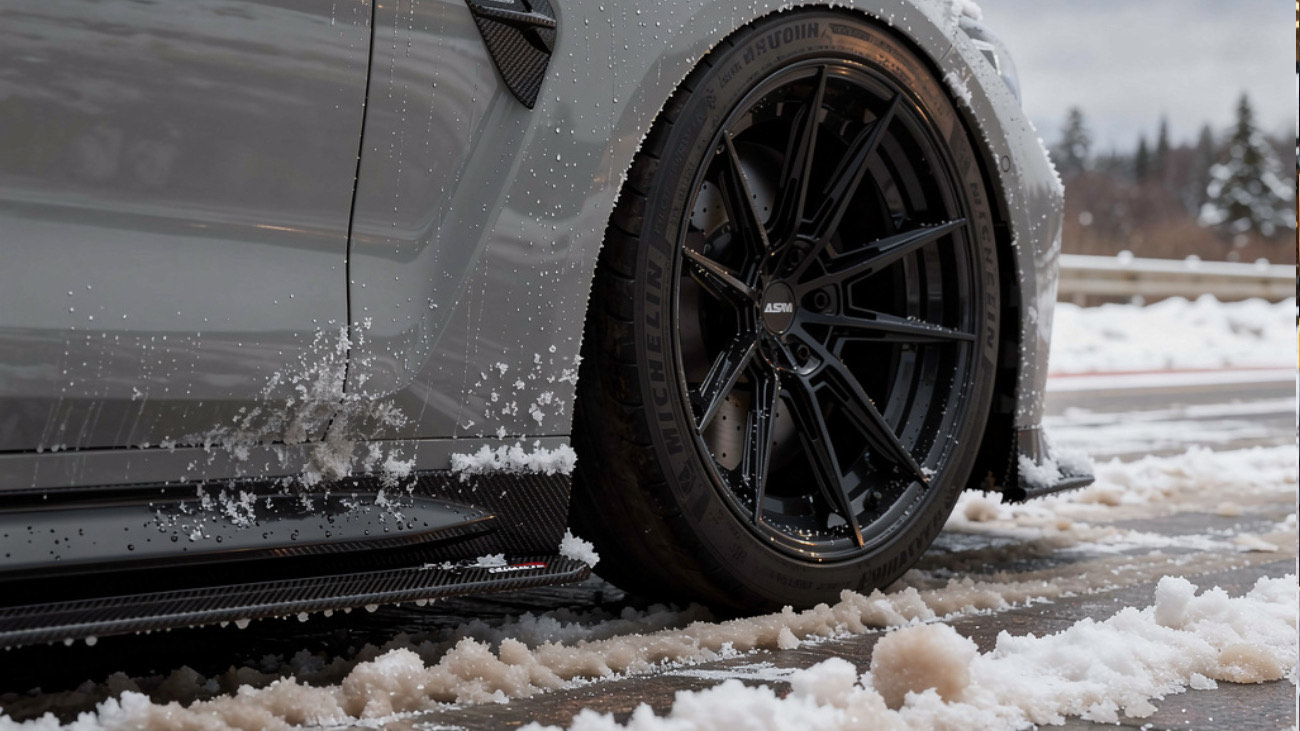
Carbon fiber components are a defining feature of modern performance and luxury vehicles. From front splitters and side skirts to rear diffusers and spoilers, carbon fiber enhances aerodynamics, reduces weight, and delivers a premium OEM+ appearance.

However, winter introduces a unique set of challenges. Road salt, moisture, freezing temperatures, debris, and poor driving conditions can all accelerate wear if carbon fiber parts are not properly protected.
In this guide, we explain how to protect carbon fiber car parts during winter, why certain components are more vulnerable, and what best practices ensure your investment remains flawless season after season.
Why Winter Is Tough on Carbon Fiber Components

Carbon fiber itself is extremely strong, but the clear coat, resin, and surface finish are what face the harshest conditions during winter.
Key winter threats include:
-
Road salt and chemical de-icers attacking clear coat layers
-
Moisture ingress at exposed edges or mounting points
-
Thermal expansion and contraction due to temperature fluctuations
-
Stone chips, grit, and ice debris kicked up from winter roads
-
Extended exposure to dirt and contaminants when washing is delayed
Without proper care, even high-quality carbon fiber can lose its gloss, develop micro-scratches, or suffer long-term cosmetic degradation.
Which Carbon Fiber Parts Are Most at Risk in Winter?
Not all carbon components are equally exposed. The parts closest to the road surface experience the greatest stress.
Most vulnerable carbon fiber components:
-
Front splitters and front lips
-
Rear diffusers and underbody aero
-
Lower spoiler elements on performance vehicles
These parts endure constant exposure to salt spray, debris, and standing water, making proactive protection essential.
Does Road Salt Damage Carbon Fiber?

This is a common concern—and the answer requires nuance.
Carbon fiber itself is chemically resistant, but winter road salt can damage:
-
The clear coat
-
The resin layer
-
The surface finish over time
If salt residue is left to sit for extended periods, it can cause:
-
Dullness or hazing
-
Micro-cracking in lower-quality clear coats
-
Premature aging of exposed edges
This is why winter protection is not optional for performance vehicles running real carbon components.
Essential Winter Protection Methods for Carbon Fiber
Apply Ceramic Coating or Paint Protection Film (PPF)
This is the single most effective step you can take.
Ceramic coating benefits:
-
Creates a hydrophobic barrier
-
Reduces salt adhesion
-
Makes cleaning significantly easier
-
Enhances gloss and UV resistance
PPF benefits:
-
Physical protection against stone chips
-
Ideal for front splitters and side skirts
-
Preserves resale condition
For high-impact areas, PPF + ceramic coating provides the best overall protection.
Clean Carbon Fiber Correctly During Winter

Winter cleaning must be done carefully.
Best practices:
-
Use pH-neutral car shampoo
-
Avoid automatic brush washes
-
Rinse salt residue frequently (even quick rinses help)
-
Use warm water, not hot
-
Dry with clean microfiber towels only
Avoid aggressive chemicals or degreasers, as these can strip protective layers and damage clear coat.
Prevent Ice and Snow Build-Up
Allowing snow or ice to accumulate on carbon aero parts can introduce unnecessary stress.
-
Clear snow gently before driving
-
Avoid letting ice freeze around splitter edges
-
Never chip ice with hard tools
Carbon fiber is strong, but impact stress in freezing conditions can still cause damage.
Winter Driving Tips for Cars with Carbon Aero
Driving habits matter as much as protection.
Key winter tips:
-
Be mindful of frozen ruts and snow buildup
-
Approach speed bumps and ramps at an angle
-
Avoid deep snow that can act like a plow on front splitters
-
Increase following distance to reduce debris impact
These small adjustments dramatically reduce winter-related wear.
Dry Carbon vs Wet Carbon in Winter Conditions
Not all carbon fiber is created equal.
Dry pre-preg carbon fiber offers major advantages:
-
Higher resin consistency
-
Stronger fiber bonding
-
Improved resistance to temperature changes
-
Superior clear coat adhesion
Lower-quality wet carbon parts are more susceptible to:
-
Clear coat cracking
-
Edge delamination
-
Faster surface degradation
This is why premium dry carbon components, like those used in ASM Tuning’s carbon programs, are better suited for year-round use.
Storage and Off-Season Considerations
If your vehicle is not driven daily during winter:
-
Store in a dry, ventilated garage
-
Avoid airtight covers that trap moisture
-
Do not store with salt residue on components
-
Inspect carbon parts periodically for chips or damage
Proper storage preserves both appearance and long-term value.
Common Winter Mistakes That Damage Carbon Fiber
Avoid these frequent issues:
-
Pressure washing directly at edges or mounting points
-
Using cheap wheel or engine degreasers on carbon
-
Ignoring small stone chips that allow moisture ingress
-
Letting salt build up for weeks without rinsing
Preventative care always costs less than cosmetic restoration.
Is It Safe to Run Carbon Fiber Aero All Winter?
Yes—if protected correctly.
Many performance enthusiasts run carbon aero year-round without issues by:
-
Applying proper coatings
-
Cleaning regularly
-
Driving with awareness
-
Choosing high-quality carbon components
In extreme climates, some owners choose to remove front splitters temporarily, but for most European and UK conditions, proper protection is sufficient.
Why Proper Winter Care Preserves Value and Appearance
Carbon fiber components are an investment. Proper winter care ensures:
-
Long-term gloss retention
-
No yellowing or hazing
-
Maintained resale value
-
Continued OEM+ appearance
Well-maintained carbon parts not only perform better but also reflect the level of care given to the entire vehicle.
Final Thoughts: Carbon Fiber and Winter Can Coexist
Winter does not mean compromising performance or style. With the right protection, correct cleaning habits, and high-quality carbon components, your vehicle can remain flawless throughout the colder months.
At ASM Tuning, our carbon fiber components are engineered for real-world use, combining premium materials with precise manufacturing to withstand demanding conditions—winter included.
Protect your carbon properly, and it will reward you for years to come.
FAQ
1) Does road salt damage carbon fiber?
Road salt does not typically “damage” carbon fiber weave itself, but it can degrade the clear coat and resin surface over time—especially if salt residue is left to sit for weeks.
2) Is carbon fiber safe to use in winter?
Yes—high-quality carbon fiber parts are safe to use in winter when properly protected. The key risks are not “winter temperatures” alone, but salt exposure, debris impact, and improper cleaning.
3) Should I remove my carbon splitter in winter?
In most UK and EU winter conditions, you do not need to remove a carbon splitter if you protect it correctly. Removal can make sense in extreme climates with deep snow, ice ruts, or frequent unplowed roads, where ground clearance becomes a constant risk.
4) What is the best way to protect carbon fiber aero parts in winter?
The best protection is a combination of PPF (impact resistance) on high-contact zones and ceramic coating (chemical resistance and easy cleaning) over the surface.
5) Can pressure washing damage carbon fiber parts?
It can, if done incorrectly. Pressure washing too close to the surface—especially at edges, seams, or mounting points—may force water into gaps and accelerate clear coat wear over time.
6) How often should I wash carbon fiber parts in winter?
Ideally, rinse salt contamination every 7–10 days, or sooner after heavy salted-road driving. Even a quick rinse is beneficial. A full wash with pH-neutral shampoo every 2–3 weeks helps prevent contaminants from bonding to the surface and preserves gloss and clarity.
7) What should I do if my carbon fiber gets stone chips in winter?
Treat chips early. A small chip can allow moisture and contaminants to sit in the damaged area, which can accelerate surface degradation. Clean the area, dry it fully, and consider a professional touch-up or adding PPF to prevent repeat impact. Early intervention preserves long-term finish quality.
